Used Vending Machines for Sale: The Smart Buyer's Guide to Starting a Profitable Route
Used Vending Machines for Sale: The Smart Buyer's Guide to Starting a Profitable Route
Blog Article
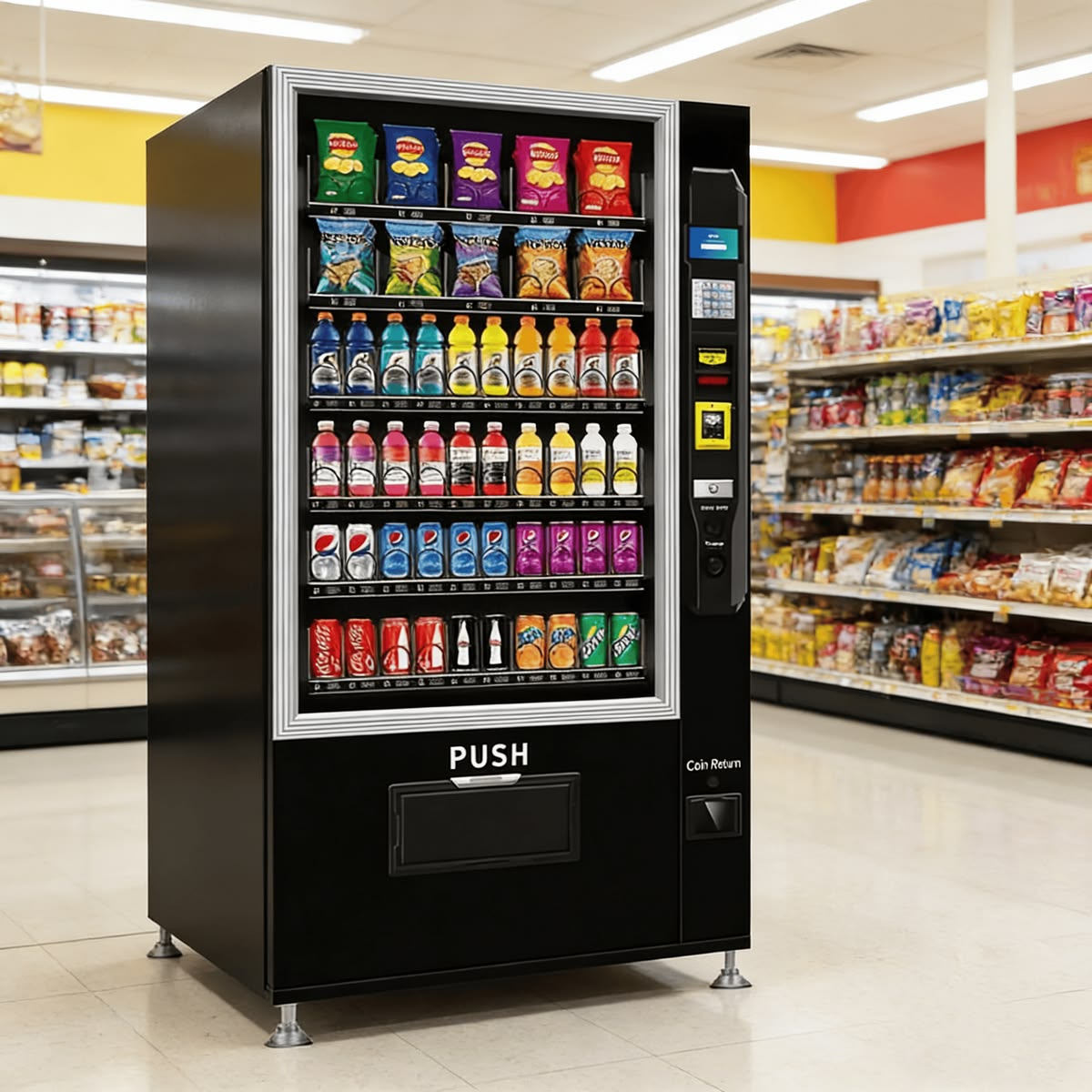
If you're searching for used vending machines for sale, you're already ahead of most first-time operators. Buying refurbished equipment instead of brand-new units is the fastest way to lower your entry cost, shrink your break-even timeline, and start generating cash flow sooner — without sacrificing reliability, as long as you know what to look for.
This guide breaks down real pricing, what separates a smart buy from a costly mistake, how the numbers actually work, and how to evaluate a machine before you commit.
Why Used Vending Machines Make Financial Sense
A new vending machine typically costs $4,000 to $10,000+ depending on features and capacity. That's a steep upfront investment for a business that hasn't proven itself yet.
Used vending machines flip that math. Factory-refurbished units routinely sell for a third to half the price of new equipment, which means:
You can secure two or three machines for the price of one new unit
Your break-even timeline shrinks dramatically
You can diversify across multiple location contracts instead of betting everything on a single machine
You free up cash to reinvest in inventory, cashless payment upgrades, or your second location
For small business owners bootstrapping a route, this lower barrier to entry is often the difference between starting this year or waiting another two.
The Real ROI Math Behind a Used Machine
Numbers make this easier to picture. A single well-placed used machine, purchased for $1,500–$3,000, can generate $300–$800 in monthly gross sales depending on location and traffic. After product cost (typically 35–50% of revenue) and minor overhead like electricity and any location commission, a realistic net profit lands somewhere between $100 and $400 per month, per machine.
That means a used machine can often pay for itself in 4 to 8 months — a timeline that's difficult to hit with a $6,000+ new unit unless it's placed somewhere exceptional. Once a machine is past break-even, that cash flow becomes the funding source for your next purchase, which is how most successful operators scale without taking on debt.
What Affects Smart Vending Machine Cost
Not every used machine is priced the same, and smart vending machine cost varies based on the technology inside it, not just its age or cosmetic condition.
Payment Technology
Machines built for modern cashless payments — tap-to-pay, mobile wallets, and integrated card readers — command a premium over coin-and-bill-only units. That premium is usually worth it: cashless-enabled machines can see meaningfully higher transaction volume simply because they remove the "I don't have cash" barrier that costs operators sales every single day.
Telemetry and Remote Monitoring
Smart machines with built-in telemetry send real-time inventory data straight to your phone. Instead of driving out to check stock levels blindly, you get alerts before a slot actually runs empty. This costs more upfront but saves significant time and fuel once you're managing more than one location — and it's often the single biggest quality-of-life upgrade for an operator running multiple machines solo.
Refrigeration and Mechanical Complexity
Combo and beverage machines with active cooling systems cost more to buy used than simple snack-only units, largely because a working compressor is a bigger mechanical asset to inspect and maintain. A properly functioning compressor also has a direct impact on product spoilage risk, so it's worth paying more for one that's been verified.
How to Evaluate a Used Machine Before You Buy
Treat this like buying a used vehicle — a few minutes of inspection now prevents expensive surprises later.
1. Test the refrigeration compressor. For beverage or combo machines, the compressor should run quietly and hold a consistent temperature without pulling excessive power.
2. Check the coin mechanism and bill validator. These should be fully calibrated and updated to recognize current currency — an outdated validator quietly rejects real bills, which costs you sales you'll never see reported.
3. Test the delivery sensors. Modern machines use infrared drop-sensors to confirm a product actually reached the tray. If it doesn't, a working machine auto-refunds the customer instead of jamming or losing the sale.
4. Inspect the cosmetic condition. Scratched panels and dim lighting don't affect function, but they do affect how a property manager and customers perceive the machine — and by extension, your business.
5. Ask for service history. A seller who can tell you exactly what was replaced or serviced — compressor, validator, sensors — is a stronger source than one who can't.
Where Refurbishing Fits Into the Picture
A properly refurbished machine isn't just "used" — it's been mechanically serviced, tested, and often updated with current payment hardware before resale. That distinction matters. A machine pulled straight from a closed route with no service history is a bigger risk than one that's gone through a real refurbishing process, even if the sticker price looks similar.
When comparing listings, ask directly what refurbishing was done rather than assuming "refurbished" means the same thing across every seller. A reputable supplier will walk you through exactly what was tested and replaced before the machine ever went back on the market.
Financing and Negotiating a Used Machine Purchase
Most used machines are affordable enough to buy outright with saved capital, and that's the route worth prioritizing — financing a depreciating asset before it's proven itself in a location adds website interest costs onto already thin early margins.
If financing is genuinely necessary, look for equipment financing rather than a general credit card, since it typically carries a lower rate and is structured around the asset itself. When negotiating price, ask sellers whether pricing includes delivery, whether a warranty period is offered, and whether initial inventory is bundled in — these details often matter more to your real cost per machine than the sticker price alone.
Exploring Niche and Specialty Machines
The used market isn't limited to standard snack and soda combos. A few specialty categories are worth knowing about if you want higher margins or lower competition:
Ice vending machines — these connect directly to a local water line, which means near-zero product cost and some of the highest margins in the industry
Collectible/trading card machines — placed in gaming lounges, hobby shops, or malls, these tap into a passionate, cash-ready buying audience with minimal restocking effort
Healthy snack and specialty food machines — increasingly popular in corporate and gym settings where standard candy-and-chip selections underperform
These niches typically see less direct competition than standard snack machines, which can mean an easier path to securing strong location contracts.
Matching Equipment to Your Location
Your hardware choice should follow your location's demographics, not the other way around:
Industrial and blue-collar locations — traditional, high-capacity snack and soda combos hold up best
Corporate offices — cashless-enabled smart machines stocked with cold-brew, energy drinks, and healthier options perform better with this audience
Gyms and schools — combo machines balancing snacks and drinks in one footprint tend to outperform single-category units
Buying the right machine for the wrong location — or vice versa — is one of the most common reasons a first-time operator underperforms, regardless of how good the deal on the hardware was.
Frequently Asked Questions
Is a used vending machine a good investment for a beginner?
Yes, for most first-time operators, a properly refurbished used machine offers a faster path to profitability than a new unit, since the lower purchase price shortens the break-even timeline significantly.
How long does a used vending machine typically last?
With proper maintenance, a well-built used machine can run reliably for 8–15 more years, especially if the compressor and payment hardware have already been serviced or updated.
Should I prioritize price or condition when buying used?
Condition, every time. A cheaper machine that breaks down in month two costs more in lost sales and repairs than a slightly pricier unit that's been properly inspected and serviced.
The Bottom Line
Used vending machines give small business owners and passive income seekers a realistic entry point into automated retail — lower cost, faster break-even, and the ability to scale into multiple locations sooner rather than later. The key is buying from a source that actually services and tests equipment before it's resold, not just relisting whatever comes off a closed route.
Ready to find your next machine? Shop Used Vending Machines for Sale →
Report this page